Why the US Remains the Premier Destination for Technology Education
Leveraging one of the world's technology hotspots comes in handy when pursuing an education. Degrees from American institutions open doors to various global employment opportunities, as they are held in high esteem. The United States education system is its strongest pillar due to emphasis on innovation, application, and critical reasoning alongside multidisciplinary collaborations.
Key advantages of US technology education include:
- Advanced equipment for hands-on work up-to-date research centers.
- Major technology hubs and Silicon Valley are easily accessible.
- Existing partnerships between universities and industries.
- Great chances to meet future tech leaders.
- Work-experience-coupled Optional Practical Training (OPT) programs.
As indicated by the SVCIP Report, foreign workers dominate Silicon Valley's workforce, which underscores the global character of America's tech industry.
Top US Universities for Technology Studies
Elite Technology Institutes
Massachusetts Institute of Technology (MIT) stands among top institutes due to its versatile technological offerings, excelling in engineering, computer science and other technical disciplines.
Some of the other technology-centric universities are:
- California Institute of Technology (Caltech) - Noted for an extremely low student-to-faculty ratio and attentive teaching to students in STEM fields.
- Stanford University - Particularly well-known because of its connection with Silicon Valley, it is strong in computer science, engineering, and entrepreneurship.
- Georgia Institute of Technology - The fastest growing university in the last decade as well as the 9th public college with $1.37 billion in research awards in FY24.
Technology Education Degrees
Some of the more popular degree options are:
- Computer Science and Software Engineering
- Information Technology and Systems
- Data Science and Analytics
- Artificial Intelligence and Machine Learning
- Cybersecurity and Network Administration
- Digital Media and Technology
"We need to educate children and invest in Afghanistan and Pakistan. We need to give quality education, resources and opportunities. We need to make sure the future generation is ready for the change we're going to see" -- Malala Yousafzai, Nobel Peace Prize Laureate.
Steps to Apply for US Universities
Step 1: Researching Options through University Selection
Students looking into programs should ensure alignment with their career goals. The United States has international students from many countries around the world, with nearly 75% of students during 2023-2024 coming from Asia.
Most critical factors when selecting universities include:
- Program rankings and concentrations offered
- Geographical location, especially near major technology hubs.
- Sponsorship in research and faculty competence
- Tuition fees and availability of financial aid
- Support services for international students
Step 2: Organize Required Documents
The most challenging technology programs need the following documents:
- STEM academic transcripts with notable achievements
- Required standardized tests like GRE for grad and SAT/ACT for undergrad.
- Certificates of English proficiency (TOEFL or IELTS)
- Addendum letters from professors or employers endorsing the applicant.
- A statement outlining professional goals entitled "statement of purpose"
- Showcase portfolio detailing relevant projects and skill set
Step 3: Applications Submission Followed by Deadlines
Applications should be submitted 8-12 months prior to the start date as most programs have deadlines between December and February for fall intake.
Application timeline:
- Research in 22out lined periods a year before accompanied with understanding the tests yielded.
- 8-10 months: completion of relevant examinations & transcripts requests
- 6-8 months submit remains valid upon receiving notifications suggested cardiovascular updates
- 3-6 months before: Receive admission decisions and choose your program
- 2-3 months before: Begin visa application process
F1 Visa Foundation Outline
This permits study at full time schedule in SEVP certified institutions like campuses, colleges or language centers.
Essential F-1 Visa Requirements:
- Enrolment at an institution approved by SEVP.
- Participation as a full-time student in a degree-awarding program.
- Available financial support for the program, including tuition and living costs.
- Willingness to leave the United States upon completion of studies.
- Communicative proficiency in the English language.
A Detailed Guide through the Steps of Applying For An F-1 Visa
Step 1: Obtain Admission and Wait For I-20 Form Issuance
Your I-20 Form is issued after acceptance into a university. This enables you to pay the SEVIS fee and apply for your visa.
Step 2: Pay Required Fees
SEVIS I -901: $350 and visa application fee of $185 translate to an estimated total of $535.
Step 3: DS -- 160 submission
Log unto any us consulate visa portal to complete the non-immigrant duplication form known as ds -- 160. You shall provide necessary information on your next consult when attending the interview out that will be done with you relating to eligibility questions/.
Step 4: Scheduling a Visa Interview
At this stage your paperwork should all be together so if people are complaining about long flyer wait times tell them they can go talk to HR because f1 interviews only take around five minutes while addressing finances, academics and future plans.
Important documents for the visa appointment:
- Passport with at least 6 months validity
- Your university's I-20 form
- Receipt showing payment of the SEVIS fee
- Confirmation page of DS-160
- Financial documentation including bank statements and sponsorship letters.
- Academic credentials, including transcripts and test scores.
- Photographs in passport size
Step 5: Attend Visa Interview
The F1 visa interview questions you are asked during the interview vary but often concern your chosen program, academic achievements, finances, post-graduation plans, and choice of university.
Processing Time and Approval
F-1 visas waiting period is within a week to several months depending on your case.
"The people factor is the most vital part of any digital revolution. It's the only way you can keep your pace of work and keep transforming, is if you are skilled."- Karenann Terrell, Chief Digital & Technology Officer at GSK
Affording Education in USA -- Financial Strategies
Capital Investment Understanding
International students should carefully plan their finances for studying in the United States because there are educational expenses associated with it. Unlike domestic students, international students pay much higher fees compared to local students.
Here is the estimated breakdown for foreign students:
- Tuition fees: $20,000 - $70,000 depending on institution type
- Living expenses: $15,000 - $25,000 annually
- Books and supplies: $1,000 - $2,000
- Health insurance: $1,000 - $3,000
Funding Sources Available options include:
- Merit-based scholarships provided by universities.
- Research assistant positions open to graduate candidates.
- Private sponsorships coming from organisation or foundation.
- Loans offered through banks or dedicated loaners.
- Monetary backing from family members.
Ensure you meet the Form I-20 financial obligations by creating a detailed budget considering tuition fees alongside living costs as well as any additional services.
Job Prospects: From Education to Silicon Valley
The Benefits of Silicon Valley
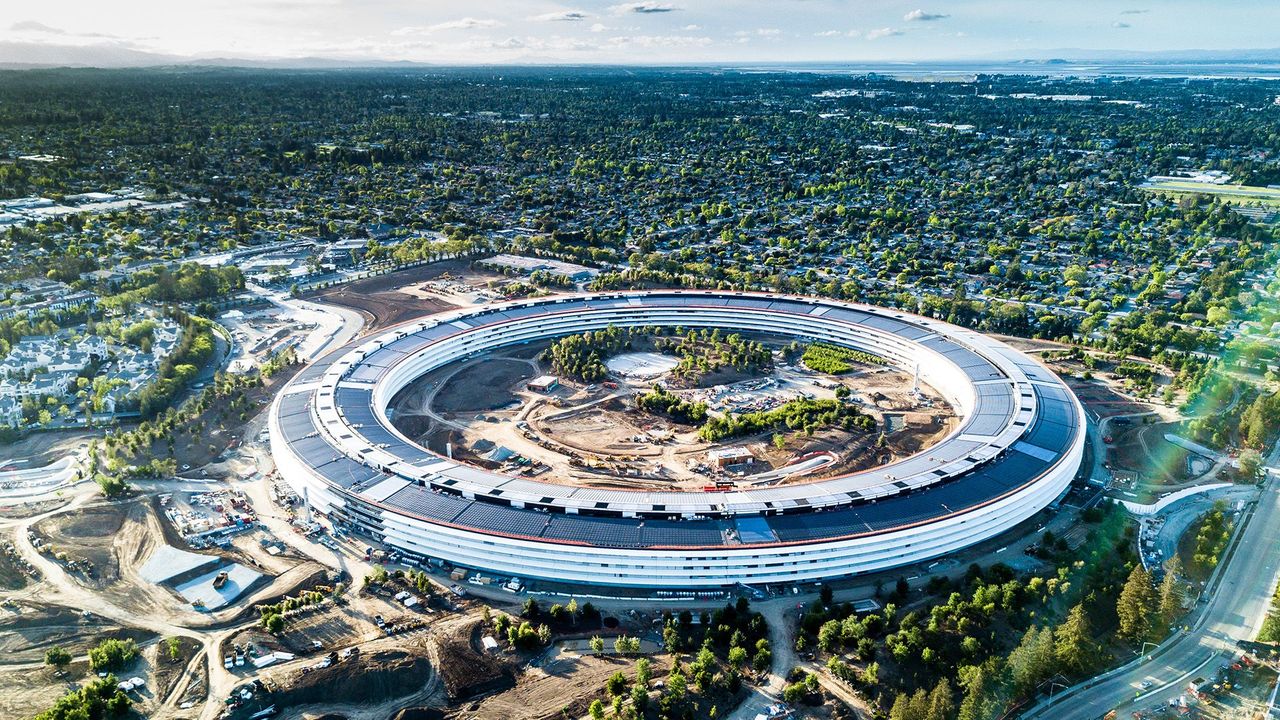
San Francisco, which is part of Silicon Valley and the Bay Area, hosts some of the largest technology companies in the world. It stands as one of the leading centers for entrepreneurship and technological development in America.
Some of the primary international talent hiring sponsors in Silicon Valley are:
- Google - 4,844 H-1B visas approved in 2024
- Apple - 3,873 H-1B visas approved in 2024
- Microsoft - 4,725 H-1B visas approved in 2024
- Other tech giants Amazon, Facebook (meta), Netflix etc.
"The first focus should be the career achievements of the graduates and how best technology and data can help navigate in these uncertain times."- Industry Expert, The PIE News
Conclusion
Traveling from Kathmandu to Silicon Valley via US schooling is fraught with challenges, but the rewards at the finish line are life changing. There currently sit about 19 million students enrolled in US colleges and approximately 1.1 million of them are international students. For motivated international learners, this dream is much easier than it seems.
The technology sector has a globalized nature which means that your unique perspective from back home will be greatly valued. Companies actively recruit people who can help them innovate or assist in competing globally and need diverse talent for that.
Your journey starts with applying for a student visa here in the US -- everything else will follow effortlessly if you stick to your goal. You can completely transform your life with the right amount of planning and dedication paired with an education attack on one of the world's most dynamic tech hubs.
FAQS
1. How can International Tech Students Work after Graduation?
Students from abroad may work in the US through the Optional Practical Training (OPT) program, which grants a 12-month work authorization period. Graduates with STEM degrees are eligible for an additional 24-month STEM OPT extension, totalling 3 years of work experience. This significantly enhances the value of degrees in the tech field for international students and US-based career pathways.
2. In 2025, How Favourable Will Be the US Tech Job Market for International Applicants?
While the US job market remains tough for international applicants, the prospects are improving. Even though the rejection rate for H-1B visa applications has risen and there is fierce competition, technology jobs remain plentiful. Positions for data scientists are projected to grow by 36%, information security analysts by 32%, and software developers by 25% over the next decade. STEM graduates have around a 20% likelihood of securing a job in the country after graduation.
3. What's the typical cost of studying technology in the US for international students?
For international students pursuing a master's degree, the cost typically ranges from 30,000 to120, 000, roughly translating to INR 24-96 lakhs. Nevertheless, community colleges and public universities have lower cost options and many offer scholarships to international students, particularly in STEM disciplines.
4. Which US states offer the best opportunities for international tech graduates?
LA, New York and Massachusetts remain the top states for the highest number of international students. Moreover, foreign students pursuing their degree in the U.S. tend to find jobs in these states. The New York-Newark-Jersey City metro area's foreign graduates under OPT program was 218,000, followed by Los Angeles-Long Beach-Anaheim area with 103,600 and Boston-Cambridge-Newton metro areas with 73,000 OPT graduates.
5. What steps should international students take to ensure they get a job in tech?
Achieving success in any field requires a well-thought-out strategy; cultivate a professional network, seek internship opportunities, maintain good grades, and use university career services. In the U.S., jobs are mostly acquired through references and networking, therefore accessing your professional network early is critical. Professional events like career fairs are invaluable not only for gaining experience, but they also allow you to network with professionals from different fields.